Ice cream is enjoyed by people of all ages, making it a familiar product in the retail and food business. From small retail shops to larger distribution networks, there are different ways to become part of the ice cream industry. However, starting an ice cream business does not always mean opening a shop. People can also explore dealership and distributorship opportunities based on their business experience, available resources and preferred way of working.
For anyone planning to enter this market, understanding the available business models is an important first step. An ice cream franchise, an ice cream dealership and an ice cream distributorship involve different responsibilities. Each option connects the brand with customers in a different way.
Bombay Creamery provides these three business routes for people interested in building a business around its ice cream range.
Understanding the Different Ways to Enter the Ice Cream Business
Before choosing a business model, it helps to understand how each one works. Some business owners prefer to interact directly with customers, while others are more interested in supplying products to shops and retailers.
The three main routes are:
- Franchise: Operating a branded outlet and serving customers directly.
- Dealership: Stocking and supplying ice cream to local shops and retail points.
- Distributorship: Managing product supply across a wider territory through dealers and retailers.
The right option depends on the type of business you want to operate and the facilities you can arrange.
Running a Business Through an Ice Cream Franchise
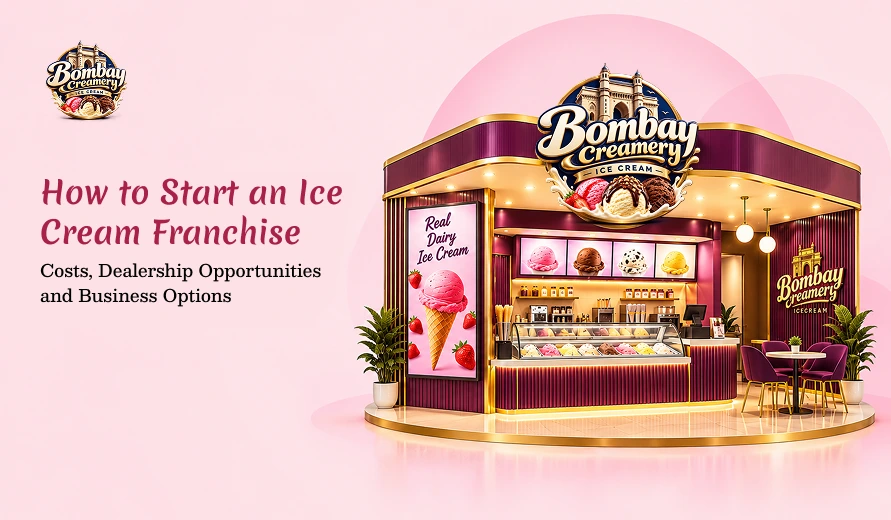
An ice cream franchise is a suitable route for people who want to operate a customer-facing outlet. In this model, the business owner runs a store under the brand name and serves customers directly.
Daily activities can include welcoming customers, handling orders, keeping the outlet clean, managing stock and ensuring that ice cream is stored and served properly. The operator also needs to follow the brand standards and local requirements that apply to the outlet.
Before considering a franchise, it is important to understand the location and premises requirements. The outlet should have suitable space, proper frozen storage and the facilities needed for daily operations. Staffing and customer service are also important parts of running the business.
People who already have experience in food or retail may find this model easier to understand because it involves regular customer interaction and store management.
Supplying Local Shops Through an Ice Cream Dealership
An ice cream dealership follows a different approach. Instead of running a customer-facing outlet, a dealer stocks products and supplies them to local shops and other retail points.
This model may suit retailers, traders and business owners who understand their local market and have the facilities to store frozen products. The work generally involves receiving stock, maintaining suitable storage conditions, handling orders and arranging deliveries.
A dealer also needs to build and maintain relationships with local retailers. Regular communication helps understand their stock requirements and plan supplies accordingly.
Before choosing this route, consider the storage space, freezers, delivery arrangements and working capital required for daily operations. The exact responsibilities and commercial conditions should be confirmed in the written agreement.
Managing Wider Supply Through an Ice Cream Distributor
An ice cream distributor generally manages product supply across a wider area. The distributor works with dealers and retailers to coordinate stock movement and deliveries within the assigned territory.
This route may be suitable for established businesses that already have experience in FMCG or frozen-food distribution. It can require warehouse facilities, frozen storage, delivery arrangements, inventory management and a network of business contacts.
A distributor must pay attention to stock planning and product handling. Ice cream needs suitable frozen storage throughout the supply process, from the warehouse to the retailer. Temperature monitoring, stock rotation and reliable delivery arrangements help manage this process.
People considering this model should review their existing infrastructure and ability to serve the proposed area. Territory allocation, supply responsibilities and other commercial terms must be confirmed in writing.
Understanding the Role of an Ice Cream Supplier
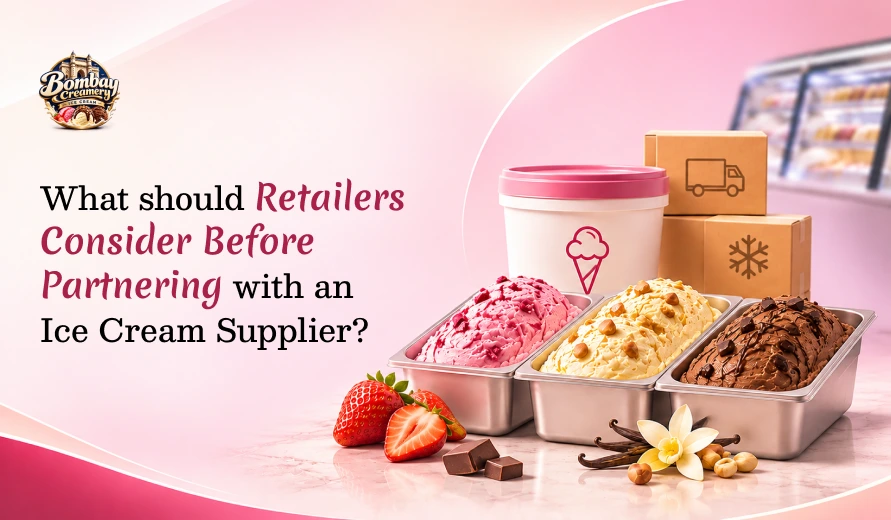
An ice cream supplier plays an important role in connecting products with retail businesses. Shops and other retail points depend on a regular supply arrangement to keep their products available for customers.
For a business owner entering this field, it is important to understand how products will be sourced, stored and supplied. The arrangement should clearly explain product availability, order requirements, delivery schedules and payment conditions.
Choosing an established brand can also help a business understand the product range it may offer. However, a potential partner should not make assumptions about supply, margins or support. These details should be discussed and confirmed before making a business commitment.
Exploring Different Ice Cream Products
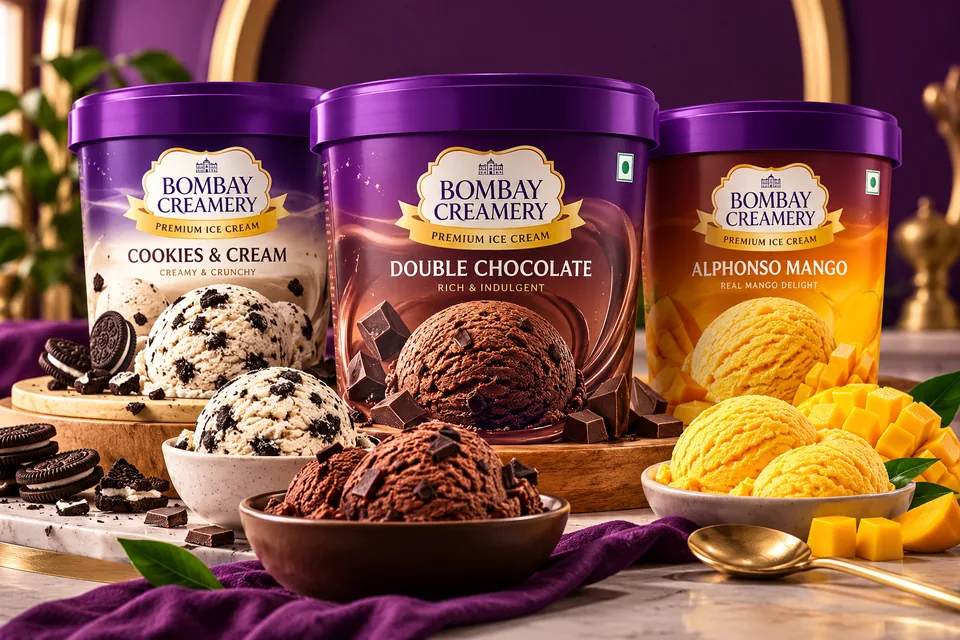
The products available are another important part of an ice cream business. Different formats serve different occasions and customer preferences. Retailers and business partners should understand the product range before planning how to stock and supply it.
Bombay Creamery has introduced five everyday formats:
- Cones: A handheld option for people who want an ice cream treat while walking or spending time outside.
- Cups: Single-serving packs that are simple to enjoy individually or share.
- Tubs: Larger packs suited to the table, freezer and family occasions.
- Bars: Coated ice cream products that are convenient to enjoy.
- Sticks: Handheld products designed for easy serving and everyday enjoyment.
These ice cream products offer different serving formats within the same range. The flavours, pack sizes, prices and product availability should be checked directly because they are not listed on the website.
What to Consider When Choosing an Ice Cream Company
Selecting an ice cream company to work with is an important decision. The business relationship should be clear, and the products and operating requirements should match the type of business you plan to run.
Before moving ahead, consider the following points:
Business model: Decide whether you want to operate an outlet, supply local shops or manage distribution across a wider area.
Storage facilities: Check whether you have suitable freezers, warehouse space or other frozen-storage arrangements for your business model.
Location and coverage: For an outlet, consider the premises and customer access. For a supply business, understand the retail points and territory you may serve.
Product range: Review the available product formats and confirm which products can be supplied under the proposed arrangement.
Written terms: Ask for details about investment, product pricing, payment conditions, supply arrangements, responsibilities and support.
These points can help you understand what the business requires before making a decision.
Is Premium Ice Cream a Business Opportunity?
The premium ice cream segment is one area that people may consider when exploring the ice cream market. Customers may look at the brand, product range, presentation and convenience when choosing an ice cream product.
Bombay Creamery is positioned as an accessible premium dairy ice cream brand. Its announced range includes cones, cups, tubs, bars and sticks. These formats provide different ways for customers to enjoy ice cream.
For a potential business partner, it is useful to understand how the range fits the local market and the type of retail business being planned. Product availability and the terms under which a partner can stock the range should be confirmed directly.
How to Explore a Bombay Creamery Business Opportunity
People interested in working with Bombay Creamery can explore the franchise, dealership or distributorship route through the enquiry process.
The general process starts by sharing the preferred business model and location. The team can then discuss the opportunity and review the relevant details, including the applicant's business background, premises or storage facilities and operating capacity.
Before proceeding, make sure you understand the written commercial terms. These may cover investment, product pricing, supply arrangements, territory, responsibilities and any support being offered. Do not rely on verbal promises or assume that a particular location is available.
The website collects partnership enquiries. The final terms, eligibility and approvals need to be confirmed by the relevant contracting company in writing.
Choosing the Right Path for Your Business
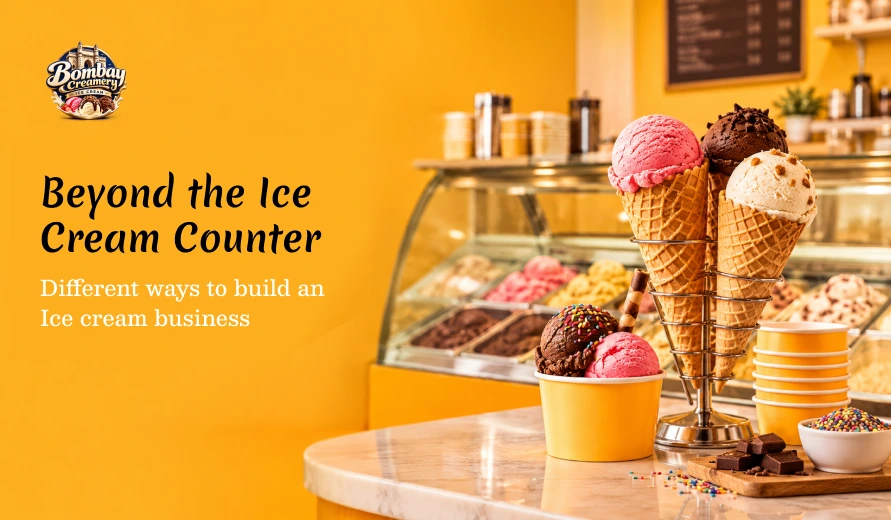
Building an ice cream business can involve different types of work. A franchise focuses on serving customers through a branded outlet. A dealership focuses on supplying local retail points, while a distributorship involves coordinating supply across a wider territory.
The best route depends on your business experience, available premises, storage facilities and ability to manage daily operations. Understanding these differences can help you decide which opportunity matches your plans.
If you are interested in working with Bombay Creamery, review the franchise, dealership and distributorship options and submit an enquiry for the route you want to explore. Discuss the requirements and confirm all commercial terms in writing before making a commitment.
Frequently asked questions
What are the different ways to start an ice cream business?
You can explore different business models, including an ice cream franchise, dealership or distributorship. Each model has different responsibilities, depending on whether you want to serve customers directly or supply products to retailers.
What is the difference between an ice cream franchise and an ice cream dealership?
An ice cream franchise generally involves operating a branded outlet and selling products directly to customers. An ice cream dealership focuses on stocking and supplying products to local shops and retail points.
What does an ice cream distributor do?
An ice cream distributor manages product supply across an assigned area. This can involve coordinating with dealers and retailers, managing stock and arranging deliveries.
What facilities are required to run an ice cream distribution business?
Suitable frozen storage, warehouse space, inventory management and delivery arrangements are important. The exact requirements depend on the size of the distribution operation and the territory being served.
How can I explore an ice cream business opportunity with Bombay Creamery?
You can visit the Bombay Creamery website and submit an enquiry for a franchise, dealership or distributorship opportunity. The team can discuss the relevant requirements and commercial terms.
This article gives general information only. It is not financial, legal or tax advice, and it does not state the terms of any Bombay Creamery opportunity. Terms are confirmed in writing.