Starting an ice cream business can be an option for people interested in the food and retail sector. From running a branded ice cream outlet to supplying products to local shops, there are different ways to enter this business. Before choosing an option, it is important to understand how each business model works and what is required to manage it.
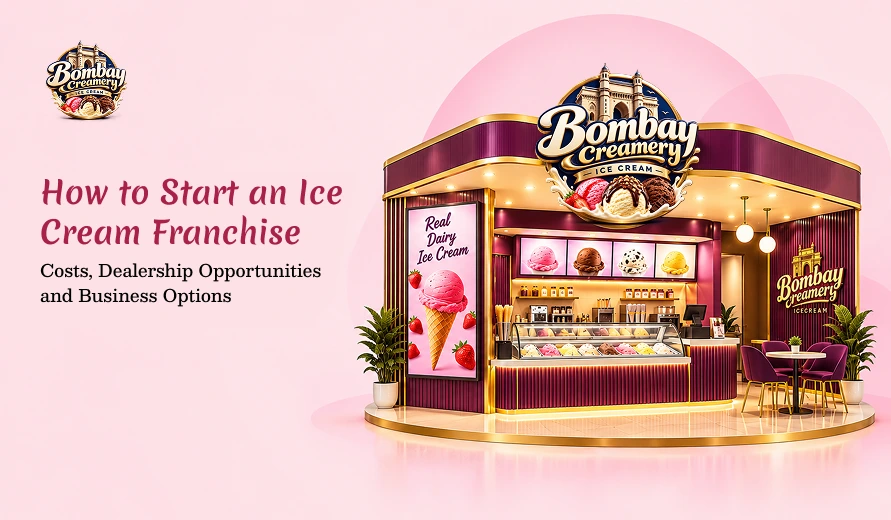
An ice cream franchise is suitable for people who want to operate a branded outlet and serve customers directly. On the other hand, a dealership focuses on supplying products to local shops, cafés and other retail businesses. A distributorship involves managing product supply across a wider area through dealers and retailers.
Bombay Creamery offers information about these three business opportunity routes through its website. The brand is a dairy ice cream brand announced by Reliance Consumer Products (RCPL). If you are considering this business, understanding the differences between these options can help you decide which one matches your experience, resources and business plans.
Understand the Different Ice Cream Business Opportunities
Before applying for an ice cream business opportunity, understand the responsibilities involved in each model. Although all three options involve ice cream products, their daily operations are different.
Ice Cream Franchise
An ice cream franchise involves operating a branded outlet where customers can visit and purchase products. The franchise partner manages the outlet and handles daily activities such as customer service, cleanliness, product storage and staff management.
This option may suit entrepreneurs who want to work directly with customers or people who already have experience in food and retail businesses.
Ice Cream Dealership
An ice cream dealership focuses on supplying products to local retail businesses. A dealer may work with shops, cafés, supermarkets and other retail outlets in a particular area.
The main responsibilities include managing stock, receiving orders, maintaining frozen storage and arranging local deliveries. This option may suit retailers and traders who understand their local market and have suitable storage and delivery arrangements.
Ice Cream Distributorship
An ice cream distributorship generally covers a wider territory. Distributors manage product supply through a network of dealers and retailers.
This business model requires proper warehouse facilities, cold-chain arrangements, delivery planning and inventory management. It may be suitable for established FMCG or frozen-food distribution companies with the capacity to manage larger supply operations.
Understanding these differences is important because the right business model depends on how you want to operate and the resources you can arrange.
Why Choose the Right Ice Cream Brand?
Selecting an ice cream brand is an important part of starting this business. The brand you work with influences the products you handle, the customers you serve and the business requirements you need to follow.
Before choosing a brand, consider the following points:
- Product range: Check the types of ice cream products available and whether they match the needs of your target customers.
- Brand background: Understand the company behind the brand and its position in the market.
- Business model: Check whether franchise, dealership or distributorship options are available.
- Supply arrangements: Understand how products are supplied and what ordering conditions apply.
- Commercial terms: Review investment requirements, product pricing, payment conditions and other costs.
- Business responsibilities: Understand your duties regarding storage, delivery, customer service and daily operations.
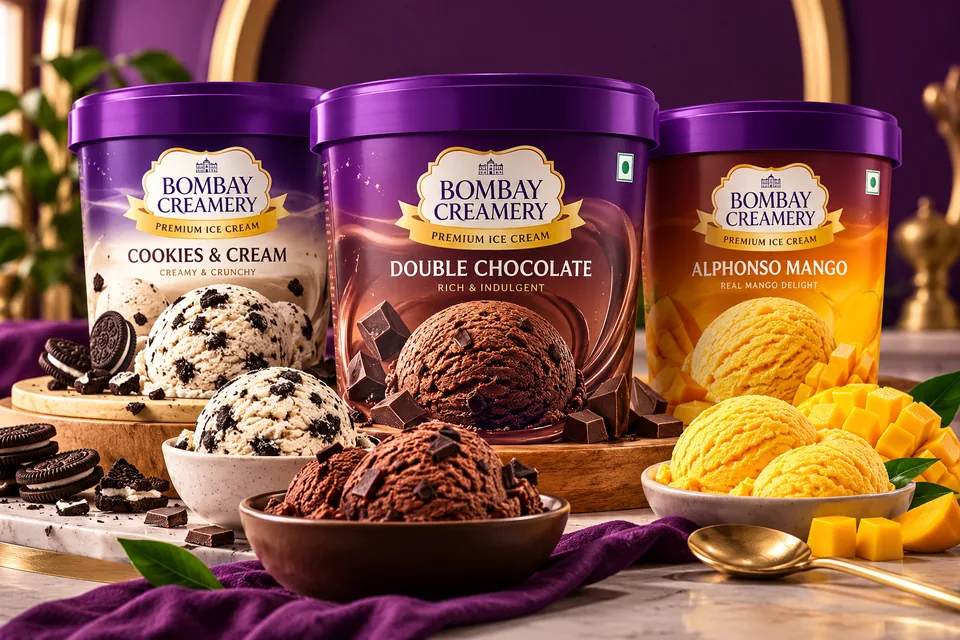
Bombay Creamery is a dairy ice cream brand from Reliance Consumer Products (RCPL). Its positioning focuses on real dairy cream and an accessible premium offering. The brand has announced five everyday product formats for different customer preferences.
Before selecting any partnership option, applicants should review the applicable terms and confirm all important details in writing.
Explore the Ice Cream Products Available
The type of ice cream products offered by a brand is another important factor when planning an ice cream business. Different customers prefer different serving sizes and formats, so understanding the product range can help with stock planning and retail supply.
Bombay Creamery highlights five everyday formats:
Cones
Ice cream cones are a familiar option for customers looking for an individual serving. They are suitable for quick purchases and can be offered through branded outlets and retail points.
Cups
Ice cream cups provide single-serve options. They are convenient for customers who want to enjoy ice cream without purchasing a larger pack.
Tubs
Tubs are larger packs designed for sharing and family consumption. They offer a different serving option compared with individual cups and cones.
Bars
Ice cream bars are coated products that are easy to carry and enjoy. They are another format for customers looking for a ready-to-eat frozen treat.
Sticks
Ice cream sticks are handheld products suitable for individual consumption. They provide another choice within the everyday ice cream range.
These formats help serve different consumption preferences. However, specific flavours, pack sizes, prices and availability should be confirmed through the applicable product and supply information.
What Is Required to Start an Ice Cream Business?
The requirements depend on whether you choose a franchise, dealership or distributorship. However, all three models need proper product handling and a clear understanding of daily operations.
Suitable Location or Territory
For a franchise, the location should be suitable for a customer-facing outlet. Consider the surrounding market, accessibility and premises before selecting a location.
For a dealership or distributorship, study the area you plan to serve. Consider the number of retail outlets, potential customers, delivery distance and available market network.
Frozen Storage Facilities
Ice cream needs suitable frozen storage to maintain its condition. Depending on the business model, you may need freezers, refrigeration equipment and enough storage capacity for the stock you handle.
Temperature Monitoring
Regular temperature checks help ensure that products remain frozen during storage. Proper handling is important from the time products arrive until they reach the customer or retailer.
Delivery Arrangements
Dealerships and distributorships need reliable delivery arrangements. Products must be transported carefully to shops, cafés and other retail locations. Distributors covering wider areas may also need insulated transport and planned delivery routes.
Working Capital
Working capital is required to manage stock, storage, delivery and daily business expenses. The amount depends on the selected business model and its operating requirements.
Registrations and Licences
The business may require applicable registrations and food-business licences. These requirements depend on the type of operation and the local rules that apply.
Preparing these requirements in advance can help you understand whether your business is ready for the selected opportunity.
Understanding Ice Cream Franchise Cost and Investment
One of the first questions people ask before starting an ice cream franchise is how much investment is required. However, the total cost depends on the business model and its individual requirements.
For a franchise, applicants should consider the franchise fees, outlet setup, premises, equipment, staffing and working capital. The final amount may depend on the outlet format and the requirements confirmed by the brand.
For a dealership, the main financial requirements may include stock, freezer capacity, storage, delivery arrangements and daily operating expenses.
For a distributorship, planning may also include warehouse facilities, cold-chain equipment, transportation, inventory and an operations team.
The ice cream franchise cost should not be considered the same as dealership or distributorship investment because each model has different responsibilities.
Bombay Creamery does not publish fixed investment amounts or guaranteed profit figures on its website. Applicants should request written details about the total investment, fees, product pricing, margins, payment terms and other expenses before making a decision.
How to Apply for a Bombay Creamery Business Opportunity
Bombay Creamery provides an enquiry process for people interested in its franchise, dealership and distributorship options. The general process involves the following steps:
Step 1: Choose Your Business Model
First, decide whether you are interested in operating a franchise outlet, supplying local retailers through a dealership or managing wider distribution.
Step 2: Submit an Enquiry
Share your basic business details, preferred location or territory and the business model you want to explore.
Step 3: Discuss Your Business Plans
The opportunity can be discussed based on your business background, premises, storage facilities and operating capacity.
Step 4: Review Eligibility and Requirements
Your location, business experience and available facilities may be reviewed against the applicable partner requirements.
Step 5: Check the Written Terms
Review the commercial terms, responsibilities, product supply conditions and agreement documents before making any commitment.
Step 6: Complete the Setup After Approval
Proceed with the required setup and supply arrangements only after the necessary approvals and written agreement are in place.
The website collects partnership enquiries; submitting an enquiry does not itself confirm appointment or approval. The availability of a particular opportunity in a city or territory must also be confirmed.
What Should You Check Before Starting?
Before selecting a Bombay Creamery business opportunity or comparing other brands, make sure you understand the important conditions.
Here are some points to discuss before proceeding:
- What is the total investment required for the selected model?
- Which ice cream products will be available?
- What are the product prices and payment conditions?
- Are there any minimum order requirements?
- What storage and refrigeration facilities are required?
- What are the delivery and supply arrangements?
- Which city or territory can be covered?
- Are there any territory-related conditions?
- What training or business support is provided?
- What licences and registrations are required?
- What are the agreement duration and renewal conditions?
Ask for written confirmation of these details. Do not make payments or sign documents until you have reviewed the agreement from the contracting company.
Conclusion
Starting an ice cream business requires a clear understanding of the products, business model and daily operating responsibilities. Whether you choose a franchise, dealership or distributorship, the requirements will depend on how you plan to sell and supply products.
An ice cream franchise is focused on running a branded outlet, while an ice cream dealership involves supplying local retail businesses. An ice cream distributor in India may manage a wider supply network through dealers and retailers.
Bombay Creamery provides these three business opportunity routes for interested applicants. You can explore the available options, share your business details, and discuss the applicable requirements before deciding.
Take time to review the commercial terms, investment details and operating responsibilities. Choosing a business model that matches your experience and available resources is an important first step.
Frequently asked questions
What are the different ice cream business opportunities available?
The three main options highlighted by Bombay Creamery are franchise, dealership and distributorship. A franchise involves operating a branded outlet, a dealership focuses on supplying local retailers, and a distributorship manages supply across a wider territory.
What is the difference between an ice cream franchise and an ice cream dealership?
An ice cream franchise involves running a branded outlet where customers purchase products directly. An ice cream dealership focuses on stocking and supplying products to shops, cafés and other retail businesses.
What is the ice cream franchise cost?
The ice cream franchise cost depends on the outlet format, premises, equipment, franchise fees and working capital. Bombay Creamery does not publish a fixed investment amount on its website. Applicants should confirm all costs in writing before proceeding.
What facilities are needed to become an ice cream distributor in India?
An ice cream distributor generally needs suitable warehouse space, frozen storage, refrigeration equipment, temperature monitoring, backup power and delivery arrangements. Working capital and inventory management are also important for managing supply across a wider area.
Which ice cream products does Bombay Creamery offer?
Bombay Creamery highlights five everyday formats: cones, cups, tubs, bars and sticks. Confirm specific flavours, pack sizes, prices, and availability through the applicable product and supply information.
This article gives general information only. It is not financial, legal or tax advice, and it does not state the terms of any Bombay Creamery opportunity. Terms are confirmed in writing.