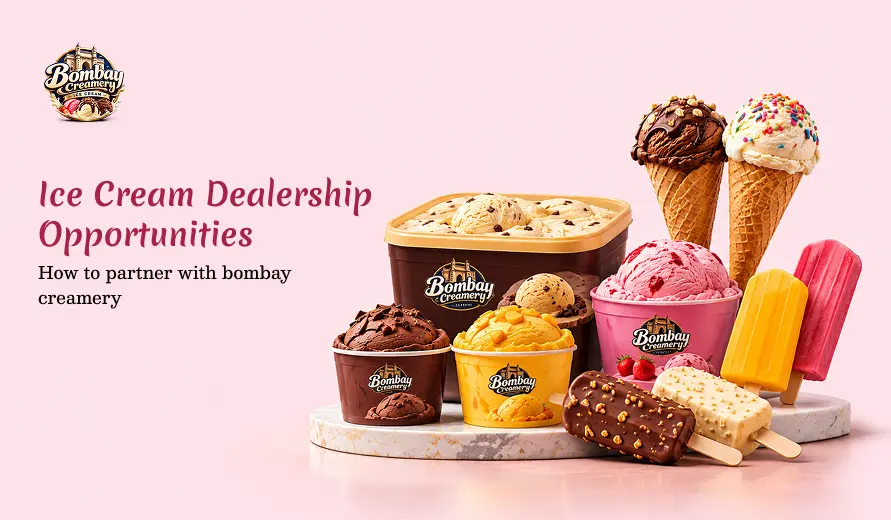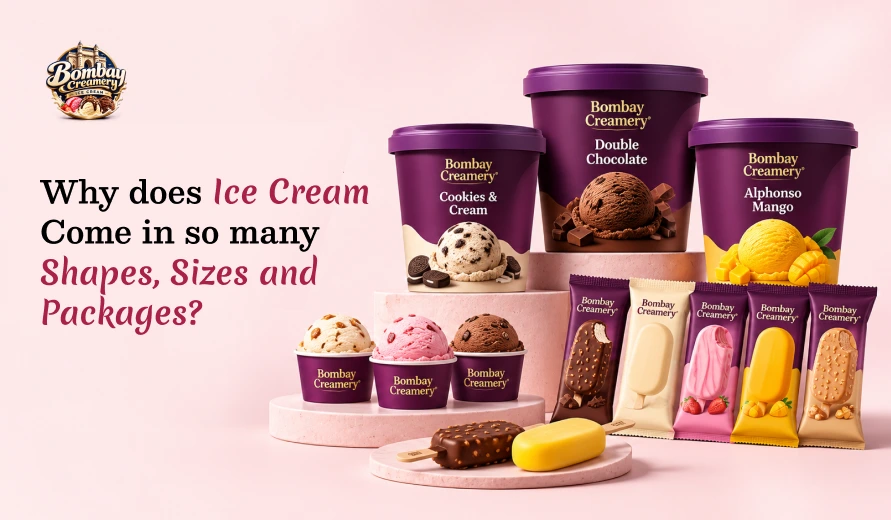
Ice cream is available in different formats to suit different serving preferences and occasions. Some people prefer a cone they can enjoy while walking, while others choose a cup for an individual serving or a tub to share with family and friends. Bars and sticks also offer convenient ways to enjoy a frozen treat.
When looking at the different types of ice cream, the product format is one of the main things to understand. Although these products are all enjoyed as frozen desserts, their serving styles, packaging and uses can be different.
Bombay Creamery's Products page features five formats: cones, cups, tubs, bars and sticks. Each format offers a different way to serve and enjoy ice cream. Understanding these options can help customers and retailers become familiar with the available product range.
Ice Cream Cones: A Convenient Handheld Treat
Ice cream cones are one of the familiar ways to enjoy ice cream. They combine an ice cream serving with a cone, allowing customers to enjoy the product without needing a separate bowl or spoon.
Cones are often chosen by people who want a convenient treat while walking, shopping or spending time outside. Their handheld format makes them different from ice cream served in cups and tubs.
One of the main features of an ice cream cone is its serving style. The cone holds the ice cream and can be enjoyed along with it. This gives customers a different experience compared with other packaged formats.
People may also search for small ice cream cones when looking for smaller serving options. The serving size can be an important consideration when choosing a product, but the exact sizes available depend on the brand's product range.
Cones are also easy to understand from a retail perspective because they offer customers a familiar serving format. Retailers handling frozen products need to make sure the cones are stored according to the product's instructions so that they remain in suitable condition.
Ice Cream Cups: Simple Individual Servings
Ice cream cups provide a simple way to enjoy an individual serving. They come in a separate container, allowing customers to enjoy ice cream with a spoon rather than holding the product directly.
Cups can be a convenient option at home, at work or during a short break. They are also useful when someone prefers a ready-to-serve portion instead of opening a larger container.
Some important features of this format include:
- Individual serving: Cups are generally suitable for one person.
- Easy handling: The container makes the product easier to hold and serve.
- Simple serving: Customers can enjoy the ice cream with a spoon.
- Convenient use: Cups can be suitable for different everyday occasions.
Cups are one of the common formats available in packaged ice cream ranges. Their individual serving style makes them different from larger tubs, which are generally used when more than one person wants to enjoy ice cream.
For retailers, cups are also a distinct product format to consider when arranging frozen products. Customers looking for an individual serving may prefer a cup over a larger pack. The exact product options, however, depend on what the brand offers.
Ice Cream Tubs: A Format for Sharing
Ice cream tubs are generally associated with larger servings and occasions when more than one person wants to enjoy ice cream. Unlike individual cups, tubs allow customers to take the required amount and serve it separately.
They can be kept in the freezer and served when needed, making them suitable for family evenings and sharing at home. Customers can use a spoon to take out the quantity they want, depending on their serving preference.
Some common occasions for choosing tubs include:
- Family evenings at home.
- Sharing dessert with friends.
- Serving ice cream after meals.
- Keeping ice cream available in the freezer.
- Enjoying a frozen dessert during get-togethers.
The Bombay Creamery Products page describes tubs as a format suitable for the table, freezer and family evenings. This makes them different from cones, cups, bars and sticks, which are designed around individual or handheld serving styles.
When selecting ice cream tubs, customers should check the product packaging for information about quantity, storage and other details. Proper freezer storage is important for maintaining the product in suitable condition.
Ice Cream Bars: A Ready-to-Eat Format
Ice cream bars offer another convenient way to enjoy a frozen treat. They are designed as handheld products, so customers do not need a separate bowl or spoon.
The Bombay Creamery Products page describes its bars as coated and ready to go. Their format makes them different from cups and tubs, where the ice cream is served from a container.
Bars can be a suitable option for people who prefer an individual frozen treat that is easy to hold and enjoy. Their ready-to-eat format also makes serving simple.
When choosing a packaged bar, customers should check the product label for details such as ingredients, quantity and storage instructions. These details help them understand the product before purchasing it.
For retailers, bars are another format within a frozen product range. They need to be stored under the required conditions, just like other ice cream products.
Ice Cream Sticks: An Easy Handheld Option
Ice cream sticks are another familiar format in packaged ice cream ranges. They are designed with a stick that allows customers to hold and enjoy the product directly.
Unlike cups and tubs, sticks do not require a spoon. They also differ from cones because the product is served on a stick rather than inside a cone.
The Bombay Creamery website describes sticks as light, colourful and handheld. This gives customers another option when choosing how they want to enjoy a frozen treat.
The main feature of this format is convenience. Customers can hold the stick while enjoying the ice cream without needing an additional serving container.
As with other frozen products, sticks need suitable storage conditions. Customers and retailers should follow the instructions provided on the packaging to maintain the product properly.
Why Is Ice Cream Available in Different Packaging Formats?
Ice cream is enjoyed in different situations, so one serving format may not suit everyone. Some customers prefer products that can be eaten directly, while others want a container that allows them to serve ice cream separately.
Different packaging formats make it possible to offer these choices.
Serving preference: Some people prefer handheld products such as cones, bars and sticks. Others may find cups and tubs more suitable.
Individual or shared servings: Cups are generally associated with individual servings, while tubs can be used when sharing with others.
Convenience: Ready-to-eat formats provide a simple way to enjoy ice cream without additional serving arrangements.
Storage requirements: Different products need to be stored according to their packaging and product instructions. Suitable frozen storage is important for all formats.
Product selection: A range of formats gives customers different options when choosing a frozen dessert.
These differences explain why the market includes several types of packaged ice cream instead of offering every product in the same format.
What Should You Consider When Choosing Packaged Ice Cream?
When selecting packaged ice cream, it is useful to understand the product format and how you plan to enjoy it. Different formats have different serving styles, so the choice can depend on the occasion and personal preference.
Here are a few points to consider:
1. Serving requirements
Think about whether you need an individual serving or a product that can be shared. Cups are generally suitable for individual servings, while tubs can be used for sharing.
2. Convenience
If you prefer a product that can be held and enjoyed directly, cones, bars and sticks offer convenient options. Cups and tubs provide a different serving arrangement.
3. Storage instructions
Frozen products need suitable storage conditions. Always check the packaging and follow the manufacturer's storage instructions.
4. Product information
Read the product label to understand details such as ingredients, quantity and other information provided by the manufacturer. This helps you make an informed choice.
5. Available formats
Different brands may offer different product formats. Check the available range before deciding which product suits your requirements.
Understanding these points makes it easier to compare different ice cream products without assuming that every format has the same use or serving style.
Exploring the Bombay Creamery Ice Cream Product Range
The Bombay Creamery Products page features five ice cream formats: cones, cups, tubs, bars and sticks. Each format provides a different way for customers to enjoy ice cream.
Cones, bars and sticks offer handheld serving options. Cups provide individual servings, while tubs are suitable for occasions when ice cream is shared at home.
These formats help customers understand the different options available within the Bombay Creamery product range. They also give retailers an overview of the product categories featured on the website.
The product page does not currently provide confirmed details about specific flavours, pack sizes, prices or availability. Customers and retailers should refer to the latest product information or contact the company for details about individual products.
Understanding the different formats is a simple way to become familiar with the range and the ways in which ice cream can be served and enjoyed.
Frequently asked questions
What are the different types of ice cream products?
Common ice cream formats include cones, cups, tubs, bars and sticks. Each format offers a different serving style, depending on how customers prefer to enjoy ice cream.
What is the difference between ice cream cups and tubs?
Ice cream cups are generally designed for individual servings, while tubs are larger containers that can be used for sharing or serving at home.
Why is packaged ice cream available in different formats?
Different formats suit different serving preferences and occasions. Cones, cups, tubs, bars and sticks give customers several ways to enjoy ice cream.
Are ice cream cones and small ice cream cones different?
The main difference suggested by the terms is the serving size. However, the exact sizes depend on the products offered by the brand. Check the product information to confirm the available options.
What ice cream formats are available at Bombay Creamery?
The Bombay Creamery Products page lists five formats: cones, cups, tubs, bars and sticks. Specific flavours, pack sizes and prices should be confirmed through the company's latest product information.
This article gives general information only. It is not financial, legal or tax advice, and it does not state the terms of any Bombay Creamery opportunity. Terms are confirmed in writing.