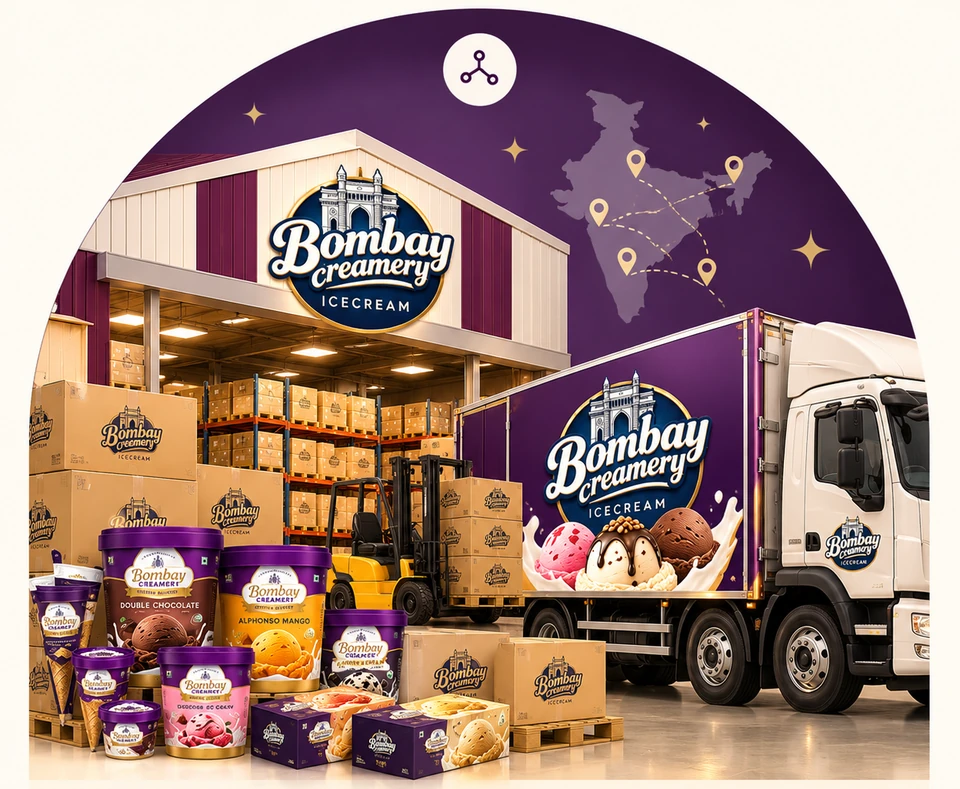
The ice cream business involves more than selling frozen products. It requires proper storage, timely delivery, inventory management and a reliable network of dealers and retailers. As demand for different ice cream products changes across markets, distribution plays an important role in making sure products reach retail outlets in the right condition.
For people interested in entering this business, becoming an ice cream distributor can be an opportunity to work with a brand and manage product supply across a defined area. However, it also requires suitable storage facilities, delivery arrangements, working capital and the ability to manage daily operations.
If you are planning to enter this sector, understanding how distribution works can help you prepare better. From choosing an ice cream brand to managing a dealer network, there are several things to consider before starting.
Understand How the Ice Cream Distribution Business Works
An ice cream distributor generally manages the supply of products across a particular territory. Instead of selling directly to individual customers, the distributor works with dealers and retailers who make the products available to consumers.
The distributor acts as a link between the brand's supply arrangements and the retail network. This involves receiving stock, storing it under suitable frozen conditions and coordinating deliveries to different locations.
The main responsibilities usually include:
- Stock planning: Maintaining suitable stock levels according to demand and order requirements.
- Product storage: Keeping frozen products in appropriate storage facilities.
- Supply management: Coordinating the movement of products across the assigned area.
- Retailer relationships: Maintaining communication with dealers and retailers.
- Delivery planning: Organising deliveries through suitable transport arrangements.
- Inventory monitoring: Tracking stock movement and managing product rotation.
The exact responsibilities depend on the distribution agreement. Anyone planning to enter this business should understand the operating requirements before making a commitment.
Research the Ice Cream Brand Before Applying
Choosing the right brand is an important step when planning an ice cream distribution business. A distributor should understand the company's product range, supply arrangements and business requirements before moving forward.
When comparing different ice cream distribution companies, consider the following points:
Product range: Check which ice cream products are available for distribution. Understand the range offered and whether it matches the requirements of retailers in your proposed territory.
Supply arrangements: Understand how products are supplied, how frequently orders can be placed and what minimum order requirements apply.
Territory details: Check whether the proposed area is available and how the distribution territory will be allocated.
Commercial terms: Review product pricing, payment conditions, margins and other financial requirements.
Business support: Ask whether account management, marketing assistance or training is offered as part of the arrangement.
These details help you compare opportunities and understand what will be expected from your business.
Bombay Creamery offers a distributorship enquiry route for people interested in its ice cream business. Interested applicants can share their business details and preferred territory for discussion. The commercial conditions and suitability are subject to review and written confirmation.
Check Your Business and Infrastructure Requirements
Before applying, assess whether your existing business has the facilities and resources needed to manage frozen product distribution.
Ice cream distribution is different from handling many regular packaged products because frozen stock requires suitable storage and transportation throughout the supply process.
Some important requirements include:
Warehouse and Frozen Storage
A suitable warehouse is necessary to receive and store stock. The storage space should have the required frozen-storage capacity according to the volume of products being handled.
Freezers and Refrigeration Equipment
Proper refrigeration equipment helps maintain the required storage conditions. Freezers and other equipment should be suitable for the products and maintained in working condition.
Temperature Monitoring
Regular temperature checks help monitor storage conditions. Maintaining records can also help identify problems and ensure that products remain under suitable conditions.
Backup Power
Power interruptions can affect frozen storage. A reliable backup power arrangement is important to protect stored inventory and maintain refrigeration.
Delivery Vehicles
Products need to reach dealers and retailers without losing their frozen condition. Suitable delivery vehicles and insulated transport arrangements may be required depending on the operating model.
Inventory Management
Stock records help distributors track incoming products, available inventory and outgoing orders. Proper stock rotation is also important so that older stock is moved before newer stock.
These facilities should be assessed before taking up distribution responsibilities. The exact infrastructure specifications depend on the confirmed business arrangement.
Plan Your Distribution Territory and Retail Network
Territory planning is an important part of becoming an ice cream distributor. A distributor may be responsible for supplying products across multiple locations through a network of dealers and retailers.
Before selecting an area, it is important to understand its market conditions and operational requirements.
Consider these factors while planning a distribution territory:
Market demand: Understand the demand for ice cream products in the proposed area and the number of retail outlets that may require regular supply.
Existing dealer network: Check whether you already have connections with retailers and dealers. An established network can help organise product distribution.
Delivery coverage: Study the distances between your warehouse and the retail locations. Delivery routes should be planned according to available transport capacity.
Storage facilities: Make sure your warehouse and refrigeration arrangements can support the planned distribution area.
Operating costs: Consider transportation, storage, inventory handling and other day-to-day business expenses.
Territory allocation and exclusivity should never be assumed. These details must be discussed with the authorised brand representative and confirmed in writing before starting operations.
Understand the Working Capital and Operational Requirements
Running a distribution business requires funds for more than purchasing products. You also need to manage regular operating expenses and maintain sufficient resources for daily activities.
Working capital is important because distributors need to manage inventory, storage, transportation and other business operations.
Some areas that require financial planning include:
- Initial investment and stock requirements.
- Warehouse rent and maintenance, where applicable.
- Freezers and refrigeration equipment.
- Delivery and transportation expenses.
- Staff and operational costs.
- Day-to-day working capital.
- Applicable business registrations and licences.
The financial requirements depend on the size of the territory, stock volume, infrastructure and commercial arrangement.
There is no fixed investment amount or guaranteed profit figure published on the Bombay Creamery distributorship page. Therefore, applicants should request complete financial details before making any payment or business commitment.
Build Relationships with Dealers and Retailers
A distribution business depends on maintaining a reliable network of dealers and retailers. These businesses help make products available across different locations.
Distributors need to coordinate with their retail partners to understand order requirements, manage supply and maintain regular communication.
Some important practices include:
Maintain regular communication: Stay connected with dealers and retailers to understand their stock requirements and delivery schedules.
Coordinate orders: Keep proper records of orders and arrange supplies according to confirmed requirements.
Monitor product movement: Track which products are moving through the retail network and plan stock accordingly.
Manage deliveries: Organise delivery routes to maintain a consistent supply process.
Maintain business relationships: Address supply-related concerns and communicate clearly about order arrangements.
A well-managed retail network can make distribution operations easier to coordinate. It also helps distributors understand the requirements of different locations.
How to Become an Ice Cream Distributor with Bombay Creamery
If you are interested in becoming a distributor with Bombay Creamery, the first step is to submit a business enquiry.
The application process involves sharing your business information and preferred territory so that the opportunity and operating capacity can be discussed.
The general process includes the following steps:
Step 1: Submit an Enquiry
Share your basic business details, distribution experience and preferred territory through the distributorship enquiry option.
Step 2: Discuss the Opportunity
Discuss the proposed business arrangement, your existing infrastructure and your ability to manage distribution operations.
Step 3: Review Suitability
The suitability of the applicant, available infrastructure, warehousing and logistics arrangements can be reviewed.
Step 4: Receive Commercial Terms in Writing
Before proceeding, review the written commercial terms and agreement documents. These should explain investment requirements, product pricing, payment conditions, territory allocation, supply arrangements and responsibilities.
Step 5: Complete the Required Setup
After the necessary approvals and agreement, the business setup and supply arrangements can proceed according to the confirmed terms.
It is important not to make any payment until you have received and reviewed a written agreement from the contracting company.
Important Things to Check Before Starting
Before choosing among different ice cream distribution companies, take time to understand the complete business arrangement.
Here are some important questions to discuss before proceeding:
- What is the initial investment and working capital requirement?
- Which products will be available for distribution?
- What are the product prices and payment terms?
- Are there minimum order quantities?
- How frequently will products be supplied?
- Which territory will be allocated?
- Will the arrangement include any territorial exclusivity?
- What storage and transportation facilities are required?
- Is marketing, training or account management support available?
- What is the duration of the agreement?
- What are the responsibilities of both parties?
Getting clear answers to these questions helps you understand the business requirements and avoid confusion later.
Conclusion
Becoming an ice cream distributor requires proper planning, suitable infrastructure and the ability to manage product supply across a defined territory. From maintaining frozen storage to coordinating deliveries and building retailer relationships, every part of the distribution process needs attention.
Choosing the right ice cream brand is equally important. Before applying, compare the product range, supply arrangements, territory conditions and commercial terms offered by different companies.
If you are interested in the Bombay Creamery distributorship opportunity, you can submit an enquiry through its website and share your business experience, location and operating capacity. Review the proposed terms carefully and proceed only after receiving the required approvals and written agreement.
A clear understanding of the responsibilities and requirements can help you prepare for the ice cream distribution business.
Frequently asked questions
1. How to become an ice cream distributor?
To become an ice cream distributor, you generally need suitable frozen storage, delivery arrangements, working capital and the ability to manage dealer and retailer networks. You can submit a business enquiry to the brand, discuss your preferred territory and review the commercial terms before proceeding.
2. What facilities are required to start an ice cream distribution business?
A distributor may need warehouse space, frozen-storage facilities, freezers, refrigeration equipment, temperature monitoring, backup power and suitable delivery arrangements. The exact requirements depend on the distribution model and agreement.
3. How much investment is required to become an ice cream distributor?
The investment depends on the stock volume, warehouse facilities, refrigeration equipment, transportation and working capital requirements. There is no fixed investment amount published on the Bombay Creamery distributorship page. Applicants should confirm the complete financial details in writing.
4. What is the difference between ice cream distributors and dealers?
An ice cream distributor generally manages product supply across a wider territory and supplies multiple dealers and retailers. A dealer usually supplies products to local retail outlets or customers within a smaller area. Their exact responsibilities depend on the written business arrangement.
5. How can I apply for Bombay Creamery ice cream distributorship?
You can visit the Bombay Creamery distributorship page and submit an enquiry with your business details, distribution experience and preferred territory. The opportunity, infrastructure and suitability can then be discussed. Commercial terms and approvals must be confirmed in writing before proceeding.
This article gives general information only. It is not financial, legal or tax advice, and it does not state the terms of any Bombay Creamery opportunity. Terms are confirmed in writing.