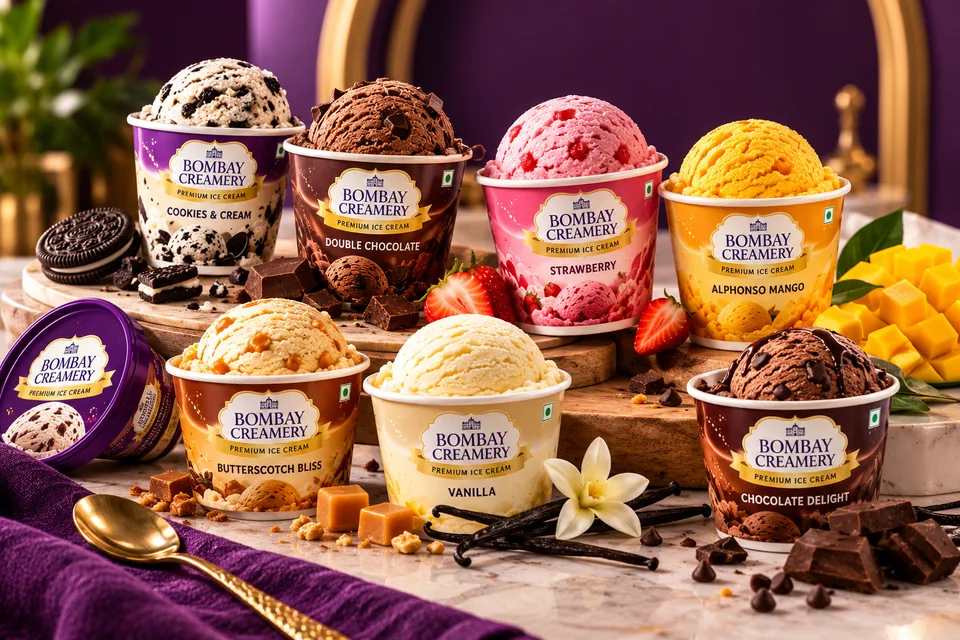
Short answer: keep ice cream continuously frozen, at -18 degrees Celsius or colder unless the brand specifies otherwise, from storage through transport to the shop freezer, and check it with a thermometer and a simple log.
Ice cream is easily damaged by warmth. If it melts and refreezes, its texture suffers and customers notice. The cold chain is the set of steps that keep it frozen from storage to the shop freezer, and it is only as strong as its weakest link.
Why the cold chain matters
Every handover is a risk: unloading, storing, loading, driving, delivering and displaying. A short break in cooling at any step can affect quality. Good cold-chain habits protect both your stock and your reputation.
Freezers and storage
Choose freezers and cold rooms that suit your volume and that you can keep in good working order. The Codex code of practice for quick frozen foods describes keeping product at -18 degrees Celsius or colder through the cold chain, and national rules may allow tolerances. The brand you work with may set its own requirements, so confirm them in writing and do not assume.
- Do not overload freezers, because air must circulate.
- Keep stock off the floor and away from walls where recommended.
- Open doors only when needed and close them fully.
- Service equipment regularly and fix faults quickly.
Temperature monitoring
Do not trust your touch. Use thermometers or monitors, check them at set times and keep a simple log. A log helps you spot a failing freezer early and shows what happened if there is a problem.
Backup power
A power cut can ruin a day of stock. Think about what you will do: a generator, an inverter system, or a plan to move stock. Test backup arrangements before you need them.
Hygiene and handling
- Keep storage areas clean and dry.
- Wash hands and follow safe-handling practice.
- Keep ice cream away from raw or strongly scented items.
- Follow the food-safety rules that apply in your area.
Stock rotation
Use older stock first. Check dates when stock arrives and when you pack orders. Record what you throw away so you can see where waste comes from.
Delivery and transport
If you deliver, think about insulated boxes or vehicles, how long stock spends on the road and how quickly you can unload. Plan routes so that frozen items are delivered early and not left in a warm vehicle. Our guide to building a retail network covers how many shops you can serve well.
Key takeaways
- The cold chain must hold at every step, from storage to the shop freezer.
- Monitor temperatures and keep a simple log.
- Plan for power cuts before they happen.
- Brand-specific storage requirements must be confirmed in writing.
Sources
- FAO/Codex: Code of Practice for the Processing and Handling of Quick Frozen Foods: supports the statement that quick frozen foods are maintained at -18 degrees Celsius or colder through the cold chain. This is general food guidance, not a Bombay Creamery storage specification.
Learn how this fits into the dealership and distributorship routes.
This article gives general information only. It is not financial, legal or tax advice, and it does not state the terms of any Bombay Creamery opportunity. Terms are confirmed in writing.